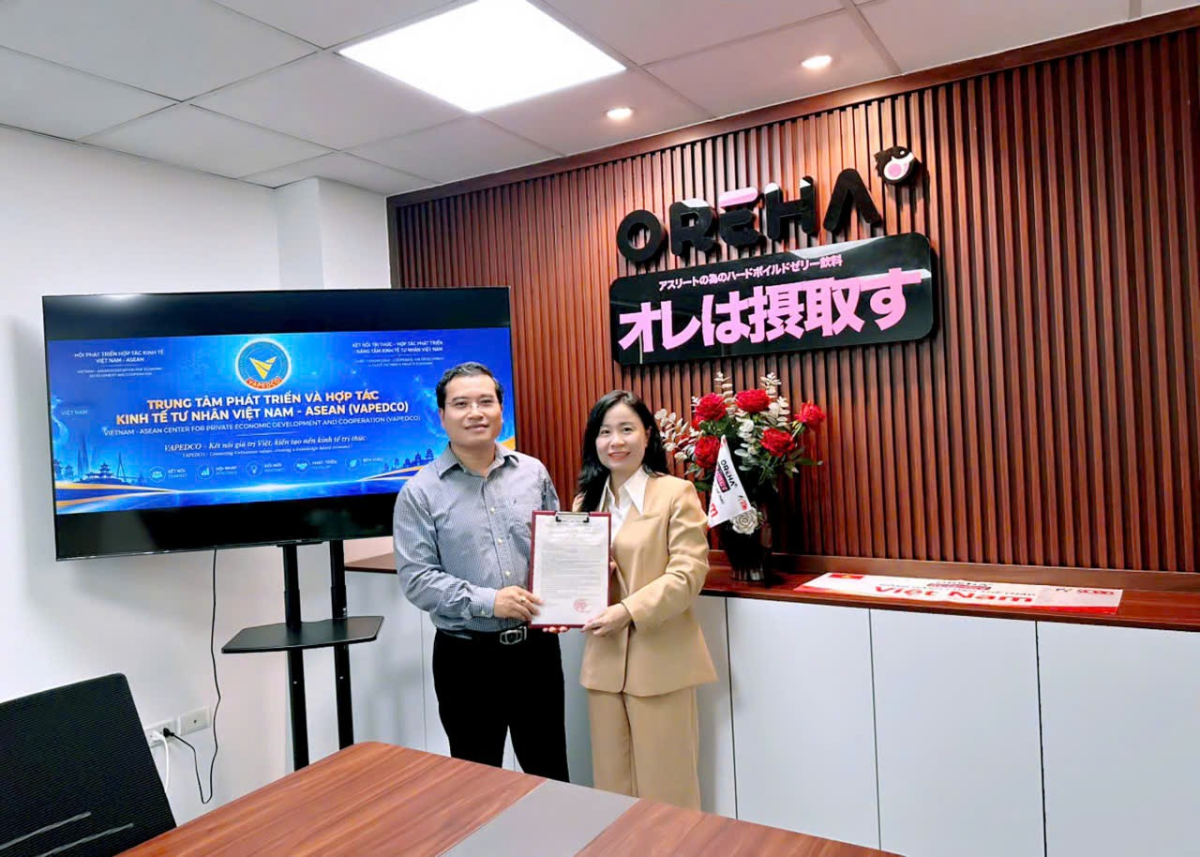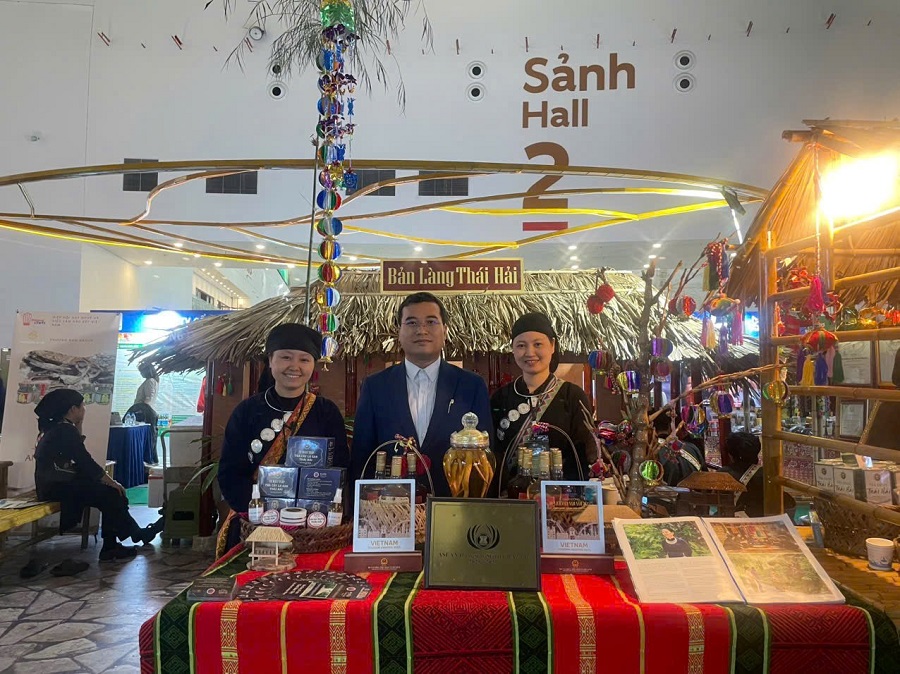
In Vietnam – Japan economic cooperation, projects that go the distance are shaped not only by capital, technology or trade in goods, but also by cultural understanding, working standards and trust between the two sides. Drawing on his experience of studying, working and doing business in Japan since 2014, Mr. Phan Van Minh – Director of Phancos Co., Ltd and Deputy Director representing Japan at the Vietnam – ASEAN Private Economic Development and Cooperation Center (VAPEDCO) – believes that culture must come before economics.
According to Mr. Minh, Phancos has worked with and signed agreements with more than 30 large corporations and factories in Japan, and has worked with over 350 Vietnamese businesses, facilitating agreements and concrete projects with more than 80 of them. Against this background, we spoke with Mr. Phan Van Minh about Japanese business culture and the role of bridging businesses in a new era.
Reporter: After many years of living, studying and working in Japan, what has left the deepest impression on you?
Mr. Phan Van Minh: Japan has left me with many impressions, but the deepest are meticulousness and discipline. The Japanese are meticulous in production, in communication, in how they organize work and even in how they create value. When we think of Japanese products, we usually think of quality, but behind that quality lies a very rigorous work culture.
The second is principle. Once a group agrees on a direction, they pursue it to the end. The road may not be easy, but once there is consensus, they stick to the goal. In my view, this meticulousness and discipline form the foundation of Japan’s development. Technology is the result; the roots still lie in the culture of its people.
Reporter: Why did you choose the path of connecting Vietnamese and Japanese businesses?
Mr. Phan Van Minh: At first, I went to Japan to learn and to find new horizons. But the longer I lived and worked there, the more I saw how the two markets could complement each other. Japan is strong in standards, technology, management, manufacturing and product R&D. Vietnam has a dynamic market, growing consumer demand and a great deal of room for development.
While working at Cosmo Beauty – a Japanese group specializing in OEM/ODM cosmetics manufacturing for the domestic market – I had the opportunity to meet many factories, businesses and associations in Japan and Vietnam. Through many business trips, I realized that the opportunities for cooperation were not limited to cosmetics, but could extend to dietary supplements, consumer goods, technology equipment, production materials, investment and international trade.
From there, I wanted to do this bridging work in a more structured way. Not just introducing businesses from both sides to each other, but more importantly, helping them understand each other, identify their real needs and find cooperation models that can actually be implemented.
Reporter: As VAPEDCO’s Deputy Director representing Japan, how do you plan to connect the two markets?
Mr. Phan Van Minh: Our work can be understood as finding existing value and bringing it to where it is needed. But to do that, we cannot stop at seminars, meetings or signing ceremonies. We need a more substantive connection process.
At VAPEDCO, I want to build cultural exchange activities linked with economic promotion. First, so that Vietnamese and Japanese businesses understand each other: what the other side needs, what it has, and whether they can become “pieces of the same puzzle”. Only then do we consider deeper steps such as trade in goods, technology transfer, investment or joint project development.
In the direction from Japan to Vietnam, we are interested in products, technologies and solutions with high practical value, especially in health, quality consumer goods, technology equipment, medical technology and manufacturing support. These needs are growing in Vietnam as the market pays more and more attention to product quality, origin and safety.
In the other direction, Vietnam also has many strengths for entering the Japanese market, such as agricultural products, processed foods, consumer goods and products that carry cultural identity. However, to enter the Japanese market, Vietnamese businesses cannot rely on price alone; they need to standardize everything from quality, packaging, traceability and legal documentation to stable supply capacity.
Reporter: What difficulties do Vietnamese businesses often face when working with Japanese partners?
Mr. Phan Van Minh: The first is mindset. Approaching the Japanese market with the attitude that “this is all we have, and our partner must accept it” is not the right approach. To work with Japan, you must first understand what they need, what their standards are and how far your business can meet them.
If you cannot meet them right away, you need an improvement roadmap. The Japanese place great value on continuous improvement. A product may not be perfect today, but if a business can demonstrate its ability to make corrections, control quality and keep its commitments, the opportunity is still there.
Vietnamese businesses also do not need to join the entire value chain at once. They can start with a small stage in a Japanese production or supply chain. By doing one stage well and building trust, they will have the chance to expand into larger areas of work. In my view, this is the realistic path: step by step, making each step solid – from small products to large projects, from short-term cooperation to long-term relationships.
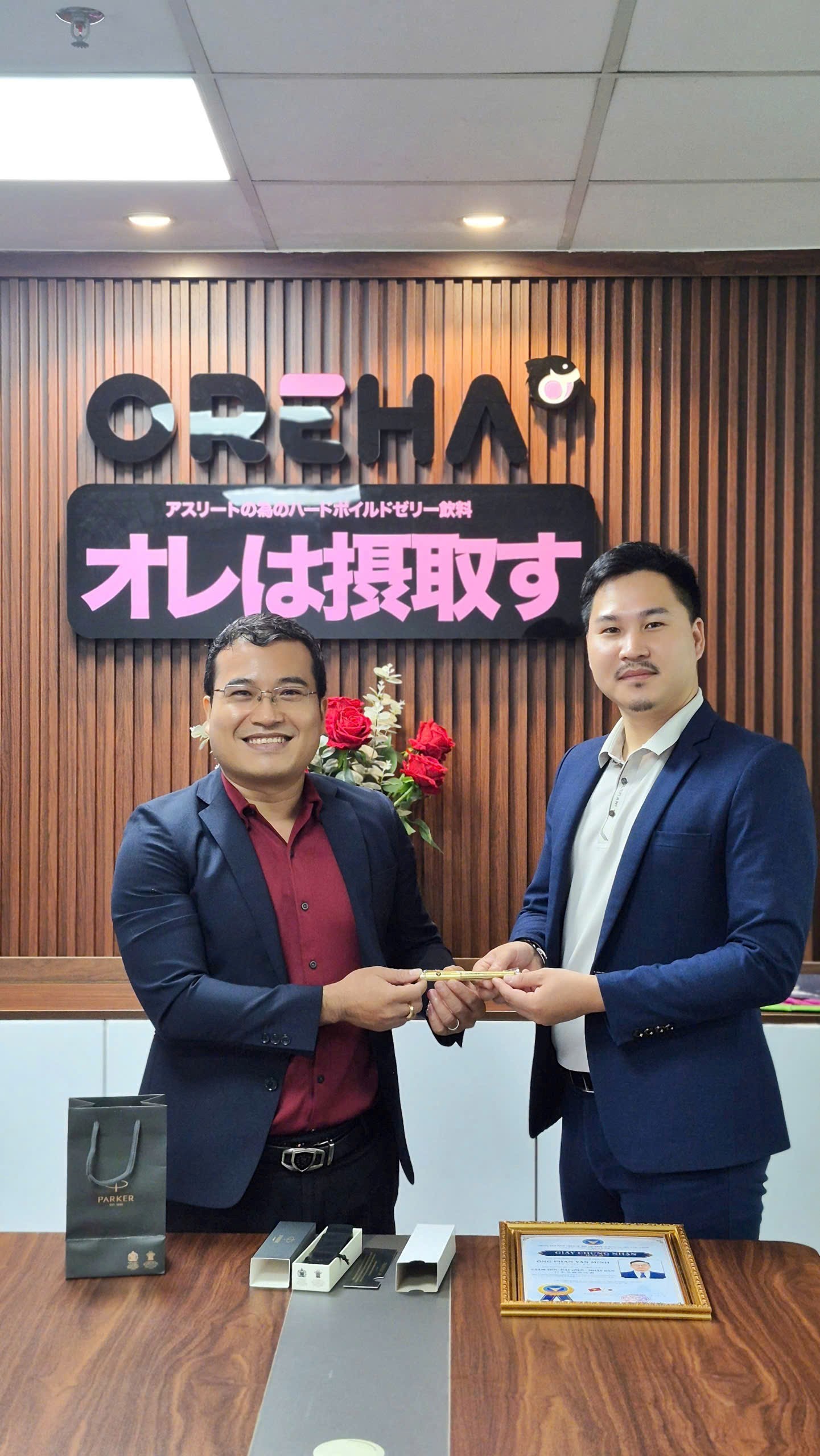
Reporter: You and your partners are bringing OREHA to Vietnam. Where does this product fit in the Vietnam – Japan connection strategy?
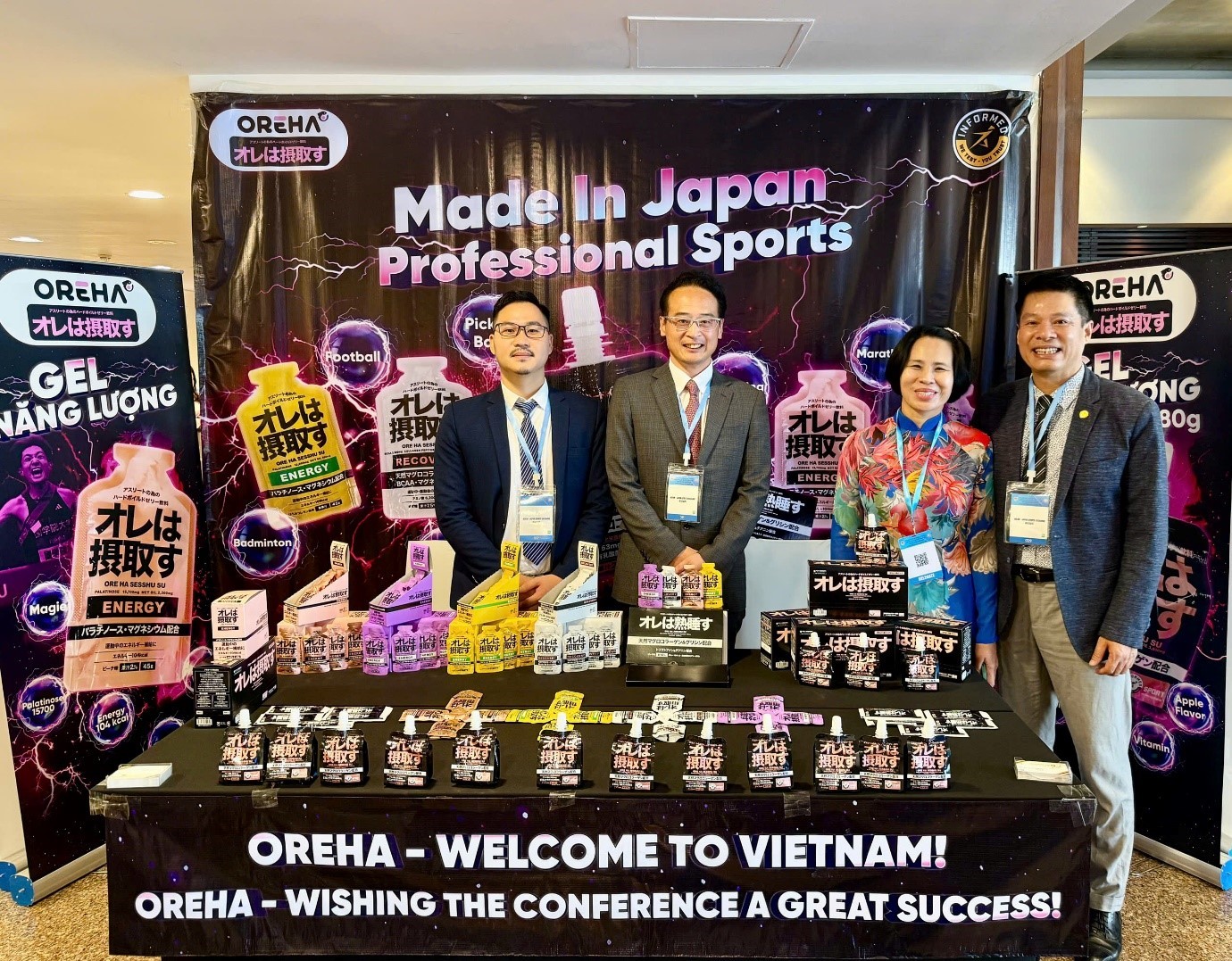
Mr. Phan Van Minh: OREHA is a concrete example of bringing a product made to Japanese standards to the Vietnamese market. It is a drinkable energy gel for professional athletes, competitors, people doing high-intensity training and anyone who needs a quick energy boost during exercise.
I see this product as a good fit at a time when Vietnam is paying increasing attention to the sports economy, high-performance sport and community fitness movements. For sport to develop, beyond coaching, facilities and competition, we also need to pay more attention to nutrition, physical recovery and safe support products for athletes.
For products aimed at athletes, the first priority is not advertising their benefits but safety. If a high-performance athlete uses a product with unclear standards that may contain banned substances, it could seriously affect their career. That is why we see OREHA as a test case for bringing Japanese standards, sports nutrition thinking and a structured market approach into Vietnam.
Reporter: More broadly, how do you see the opportunities for Vietnam – Japan cooperation in the coming period?
Mr. Phan Van Minh: Japan has always regarded Vietnam as an important partner. Now that relations between the two countries have been elevated to a Comprehensive Strategic Partnership, the scope for cooperation will not be limited to manufacturing or assembly, but will extend to many deeper fields.
I believe Japanese businesses will continue to be interested in industrial manufacturing, supporting industries, processing, technology equipment, healthcare, medical technology and supply chain industries. In addition, trade and consumer goods are also a very noteworthy area. Japan has many high-quality products, while Vietnam is a young market with rising purchasing power and consumers who care more and more about product standards, origin and safety.
The issue is that Vietnamese businesses must better prepare their human resources, distribution systems, management capacity and ability to work to international standards. The opportunities are there, but turning them into results requires serious preparation from both sides.
Reporter: You have repeatedly emphasized the role of culture. Why is culture so important in economic cooperation with Japan?
Mr. Phan Van Minh: Because a business, however large, is ultimately run by people. When the Japanese work with Vietnamese partners, they care about how much their partners understand Japan and their way of working, and whether they respect principles and commitments.
I have seen cases in the selection of workers to go to Japan where the person chosen was not the most fluent speaker, but the one who showed genuine interest in Japanese culture. Some were not yet good at Japanese but tried hard to learn, and could even sing a song in Japanese. That shows goodwill and an ability to integrate.
Japanese culture may not be as loud as some other cultural waves, but it is deeply present in Vietnamese life: from manga, anime, cherry blossoms, kimono and cuisine to the image of a disciplined, clean and responsible country. These are important stepping stones that bring the two sides closer together.
Once we understand each other’s culture, work can go deeper more easily. In my view, cultural exchange is the foundation for economic development, attracting investment and promoting long-term cooperation between the two countries.
Culture as the starting point of trust
More broadly, entrepreneur Phan Van Minh’s story shows that Vietnam – Japan cooperation in this new era needs more than capital, technology or memoranda of understanding. What matters more are people who understand both cultures well enough, have enough practical experience and are persistent enough to turn opportunities into concrete results.
For Mr. Minh, culture does not follow economics. Culture is the starting point of trust. Only when trust is built in the right way can trade, investment, technology transfer or specific products like OREHA have a chance to go the distance in the Vietnamese market.