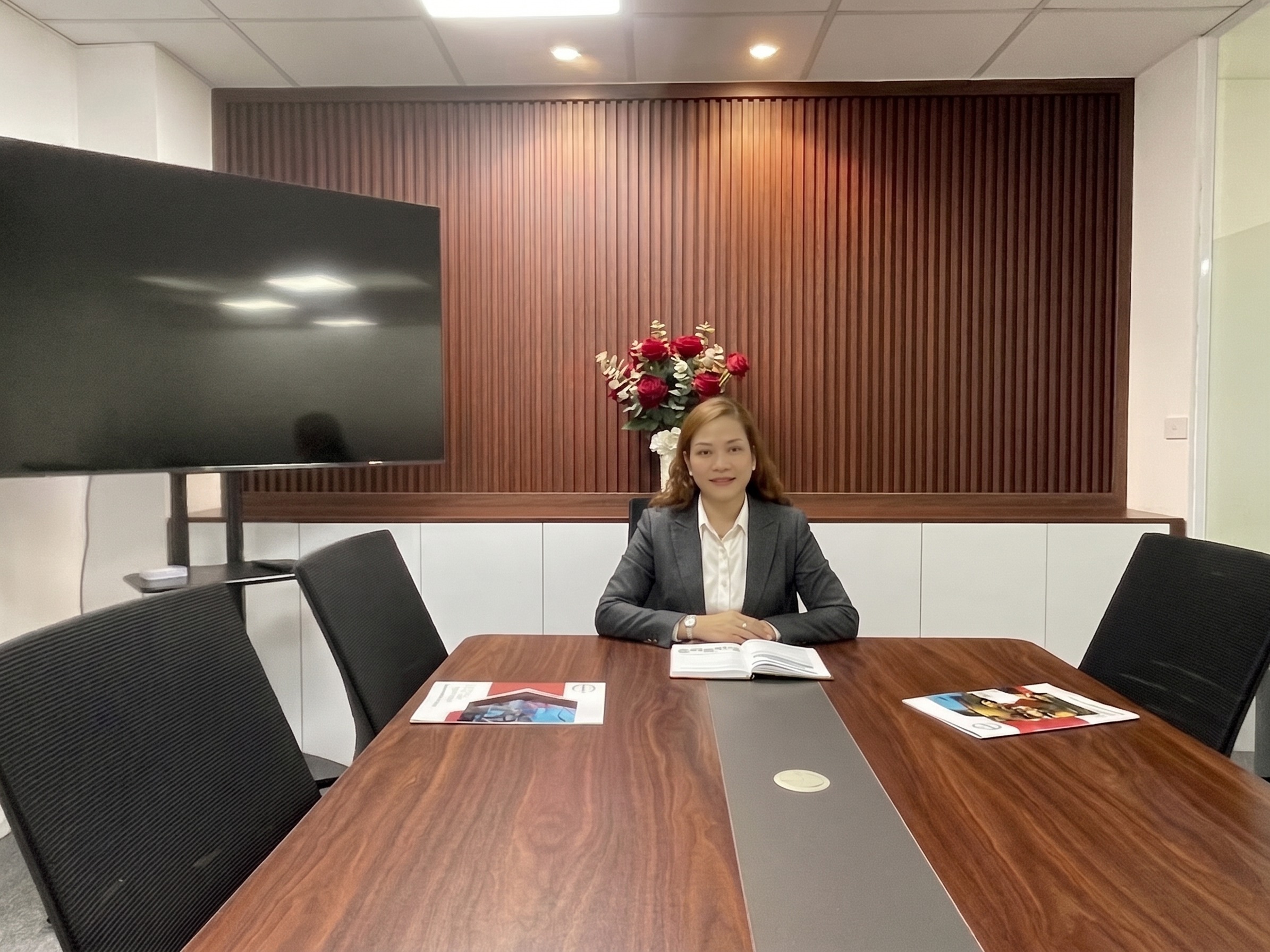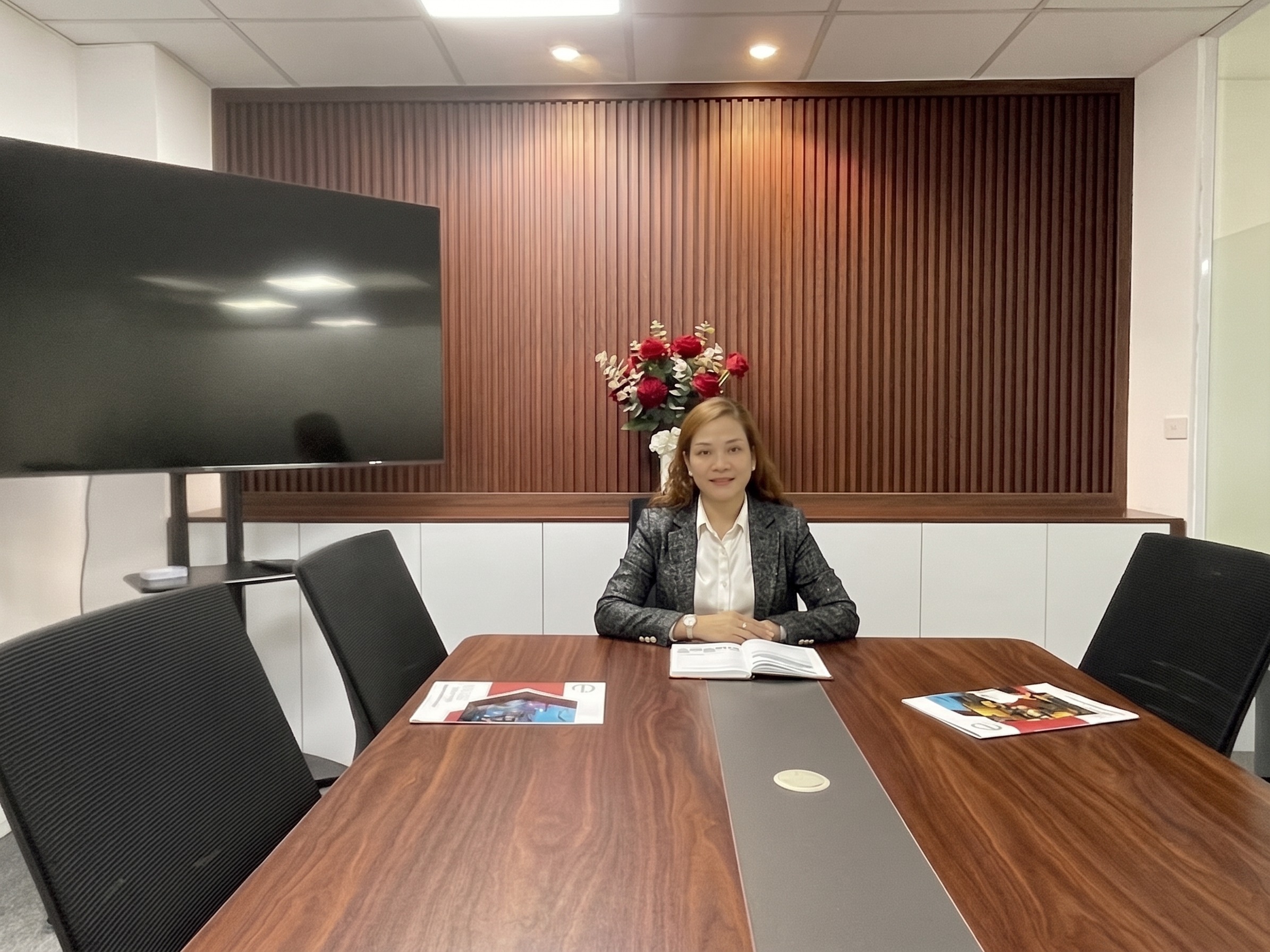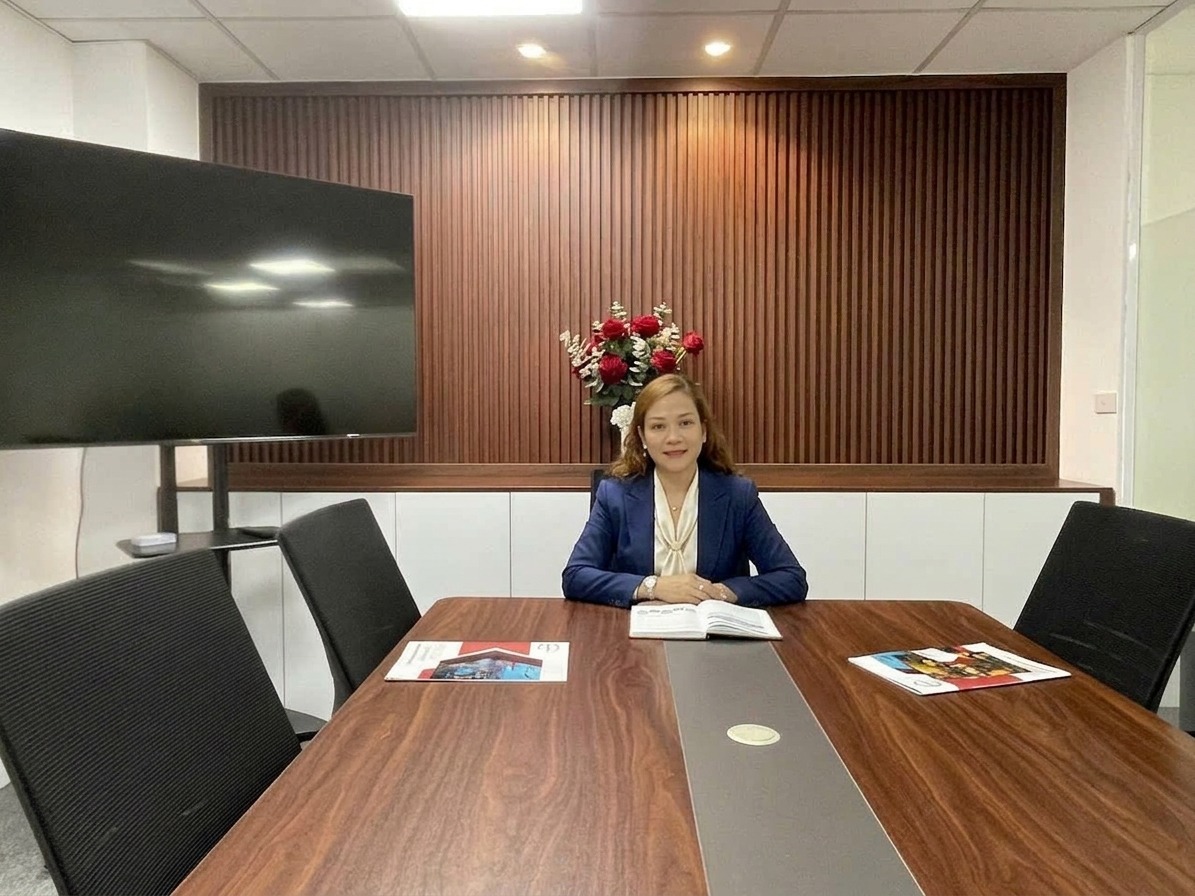
Ms. Ngo Thanh Tinh – Head of the Information and Communications Board of VASEAN, Founder of the VAPEDCO Center – shares her assessment of Tuyen Quang’s economic growth through FDI attraction in its border-gate area.
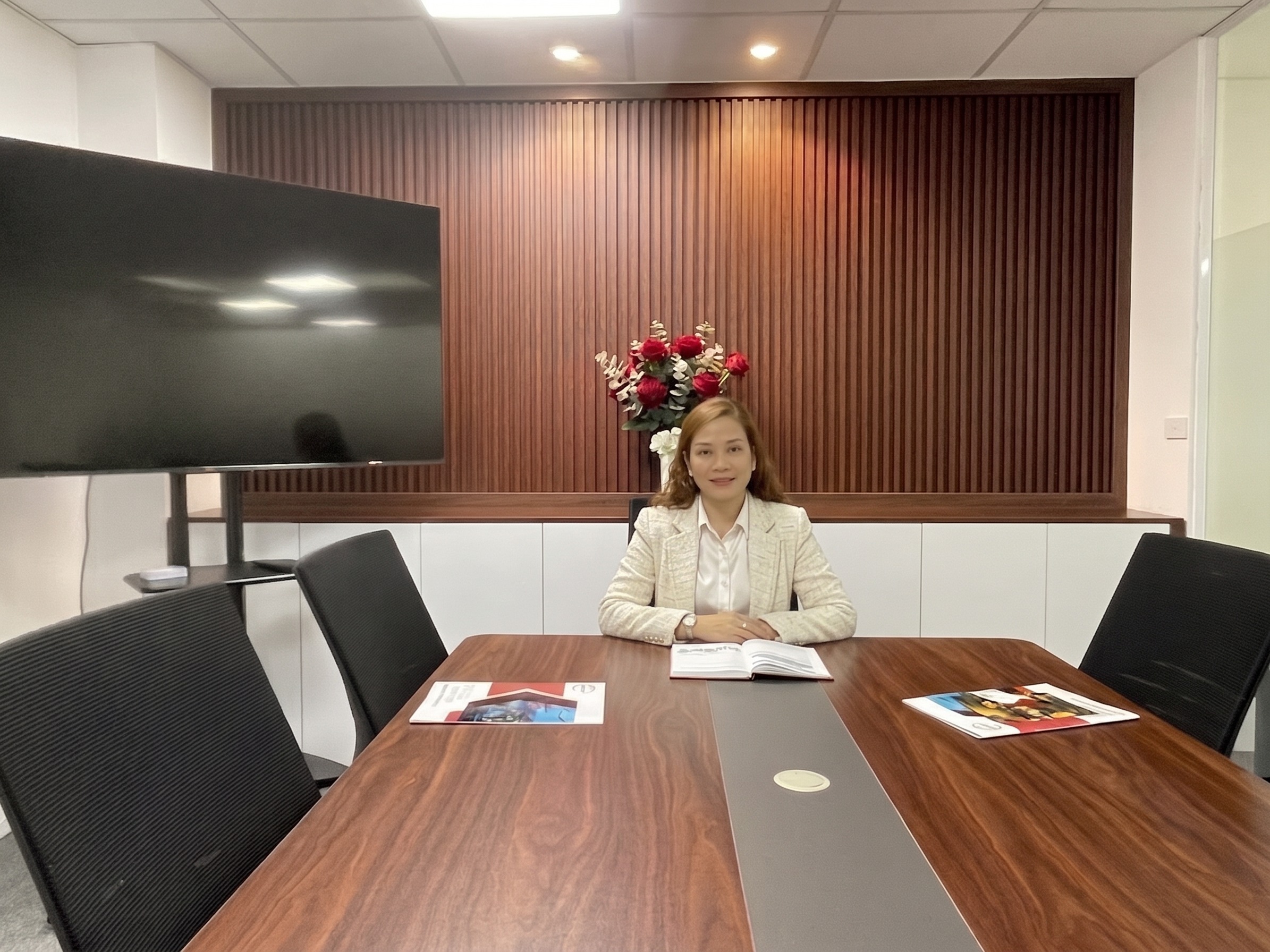
Tuyen Quang Province aims for average GRDP growth of 10.5% per year in the 2026 – 2030 period. With a vision to 2050, the province targets becoming a fairly developed, comprehensive and sustainable province with upper-middle income, serving as an important trade hub for the Northern Midlands and Mountains region.
Strategic pillars
To realize its aspiration for a breakthrough, Tuyen Quang has translated its development roadmap into several strategic pillars:
- Industrial development and digital transformation: The province is concentrating resources on in-depth industrial development, prioritizing the green economy, circular economy and the application of science and technology. The industry and construction sector targets high growth of about 15.6% per year.
- Border-gate economy and border trade: Under Plan No. 232/KH-UBND, Tuyen Quang expects to become a key trade hub connecting with the Southwest China market (Yunnan and Guangxi), aiming for average import-export turnover growth of 15 – 17% per year.
- Thanh Thuy International Border Gate Economic Zone: The plan to attract investment in and build the Thanh Thuy International Border Gate Economic Zone (connected with the Tianbao border gate in Yunnan, China) is a breakthrough strategy for developing the border economy, turning the area into a smart, multi-sector general economic zone.
FDI attraction in the Thanh Thuy International Border Gate Economic Zone
FDI attraction in the Thanh Thuy International Border Gate Economic Zone is undergoing important changes, driven by cross-border economic cooperation and capital flowing into logistics infrastructure, warehousing services and green energy.
1. Priority sectors for FDI
- Logistics and warehousing infrastructure: Calling on foreign logistics groups to build cold storage, smart warehouses and cargo yards to serve cross-border supply chains for agricultural products and electronics.
- Free trade and services: Planning a free trade zone and non-tariff zone to attract FDI enterprises to set up trading offices and official distribution agencies for the Southwest China market.
- Cross-border renewable energy: This is a highly promising new area for attraction. The region’s budget revenue has risen sharply, largely thanks to large-scale wind power projects (foreign-invested, in Laos) connected to the grid and imported directly via border infrastructure.
2. Levers to attract foreign investors
- Removing connectivity bottlenecks: The Tan Quang – Thanh Thuy Border Gate Expressway, with total investment of VND 14,852 billion, is expected to break ground, in sync with the expressway linking Hanoi – Phu Tho – Tuyen Quang. This is the largest infrastructure commitment, helping FDI enterprises optimize transport costs deep into Vietnam’s interior and to seaports.
- Building a smart border gate: Applying an automated customs clearance model keeps FDI enterprises’ goods flowing without congestion and minimizes storage costs.
- International investment promotion: Regularly organizing trade fairs and bilateral business conferences between FDI enterprises and Chinese enterprises (especially from Yunnan Province) to expand border trade cooperation.
3. Difficulties being addressed
- Lack of special mechanisms: Due to the mountainous terrain, large-scale clean land for industrial parks and export processing zones near the border gate is still limited. The authorities are developing separate incentives on land rental and tax rates to compete with border gates in Lang Son and Quang Ninh.
- Optimizing human resources: Stepping up in-depth training in logistics and foreign languages to supply workers directly to the trading offices of FDI enterprises at the border gate.
“Red carpet” policies for FDI
- Highest-level incentives: Projects investing in remote areas and ethnic minority areas of Tuyen Quang enjoy the Government’s maximum incentives on corporate income tax, land rent exemptions and reductions, and import duties on machinery and equipment.
- Ready clean land: The province is focused on expanding and completing technical infrastructure at Long Binh An Industrial Park and satellite industrial clusters, ensuring electricity, water and high-speed internet are ready for investors.
- “One-stop-shop” procedural reform: A commitment to give foreign investors maximum support, from surveying and licensing to project operation, in the shortest possible time.
Developing human resources in ethnic minority areas
- Promoting vocational training programs and shifting the labor structure from traditional agriculture to industry and services.
- Working with large enterprises on order-based training to ensure a local, disciplined and skilled workforce for FDI factories.
Promoting comprehensive education across sectors
- Upgrading bilingual education and stepping up Chinese language training for people of working age, especially in ethnic minority areas.
Ngo Thanh Tinh