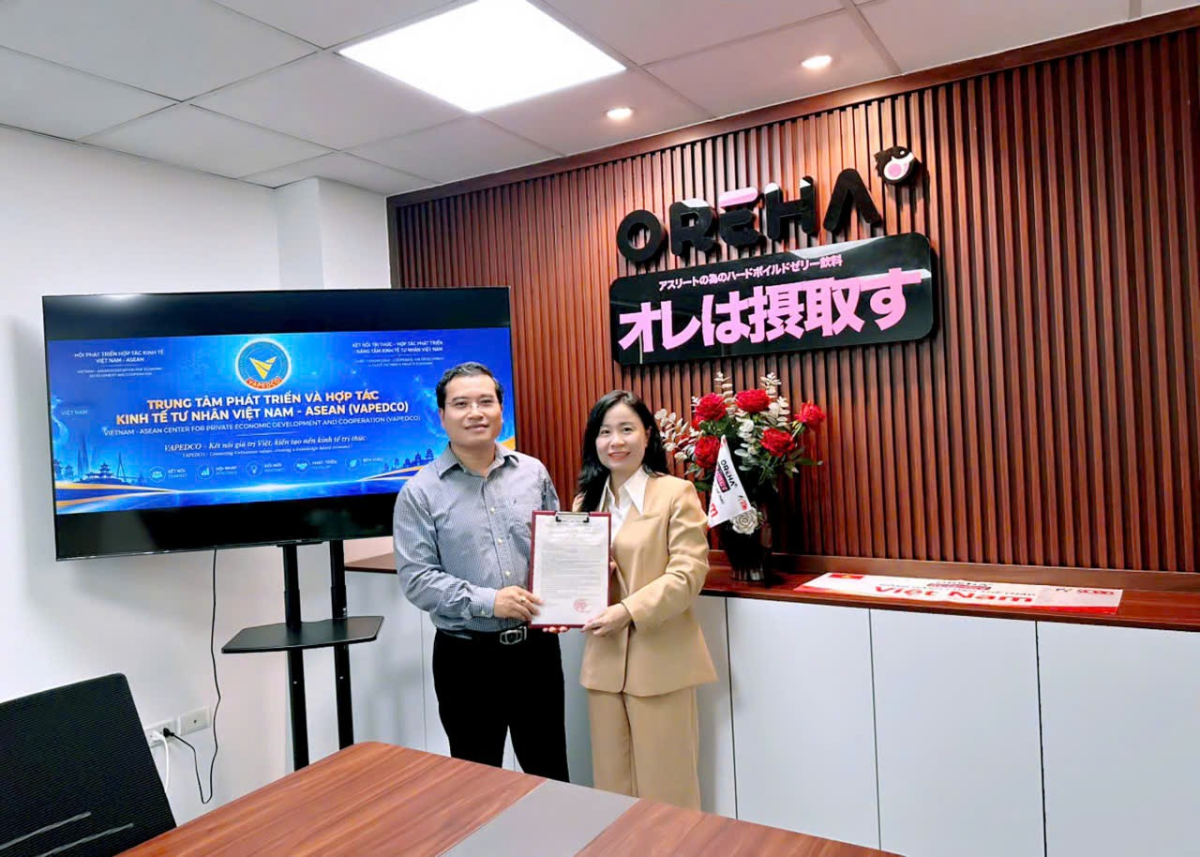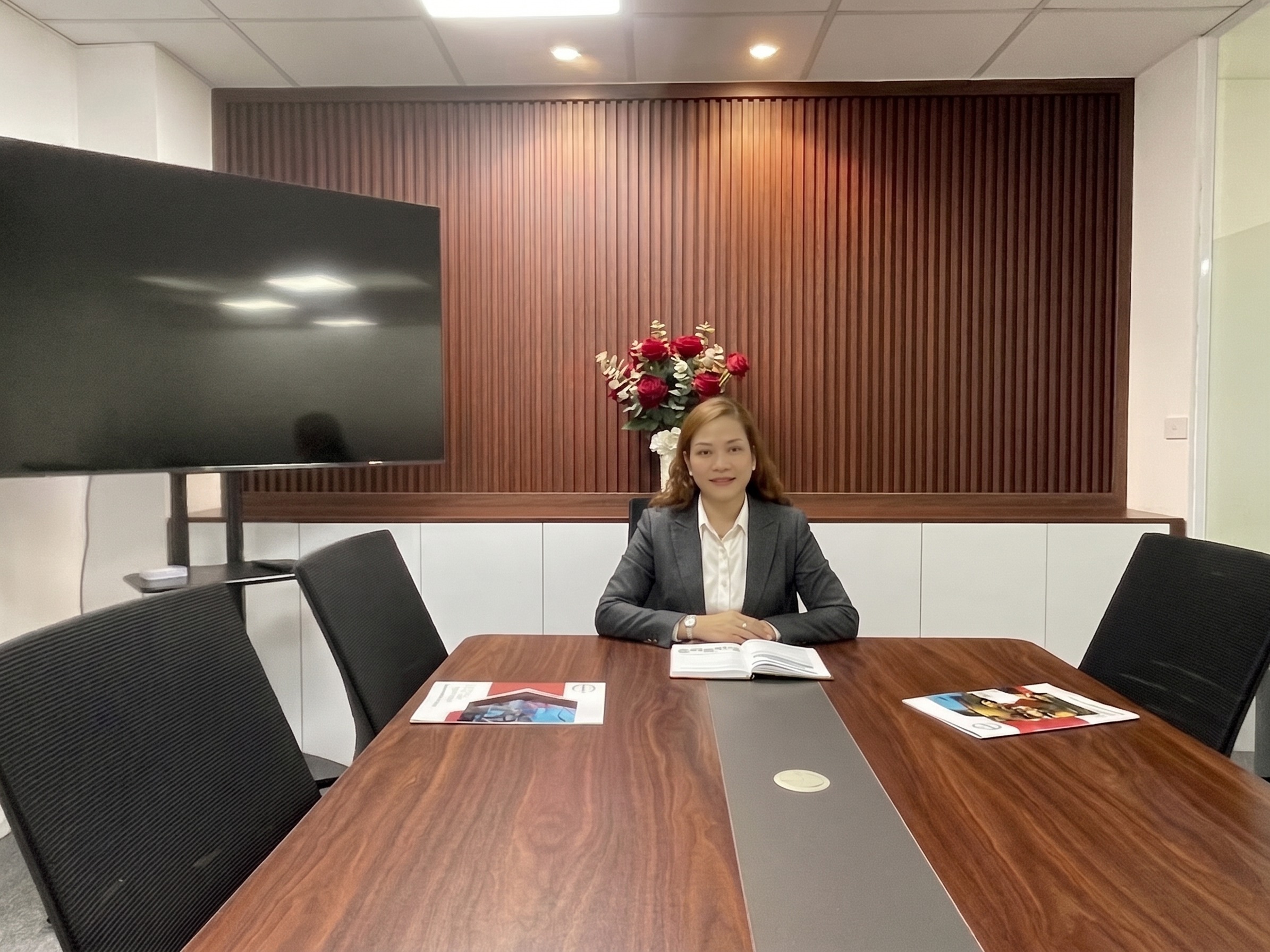
Ms. Ngo Thanh Tinh – Head of the Information and Communications Board, Founder of the VAPEDCO Center – shares her views on Vietnam’s challenges and opportunities, and outlines steadfast solutions for change as the country deepens its international integration.

Strategic solutions for attracting FDI
To solve the difficult problem of attracting FDI to every province and city nationwide, the core strategy is to leverage each locality’s comparative advantages while carrying out synchronized institutional reform. Provinces need to shift from mass attraction to selective attraction of new-generation FDI.
The strategic solutions include:
- Infrastructure planning and completion: Ensure synchronized transport connectivity, power and water supply, and logistics systems across regions, creating a seamless economic space.
- Improving the investment environment: Build flexible incentive policies, shorten the time needed to process administrative procedures, make information transparent, and apply effective lessons from pioneering localities, based on an analysis of the FDI attraction experience of several representative provinces and cities in Vietnam.
- Developing linkage chains and supporting industries: Encourage domestic enterprises to participate deeply in global value chains to raise the localization rate, limiting pure outsourcing as seen in small-scale projects and outdated models.
- Transforming the attraction model: Focus on calling for high-tech, green economy, renewable energy and innovation projects, while promptly adapting to new regulations such as the global minimum tax and rules on international import and export duties.
Strategic opportunities
To effectively implement FDI attraction solutions nationwide, Vietnam needs a clear view of the actual landscape through the following strategic opportunities and core challenges:
- Supply chain shifts: The trend of diversifying global production chains (the “China + 1” strategy) is making Vietnam a leading alternative destination in Southeast Asia.
- Geopolitical position: An extensive network of new-generation free trade agreements (CPTPP, EVFTA, RCEP) creates an absolute competitive advantage in export tariffs.
- Upgraded diplomatic relations: Upgrading ties to Comprehensive Strategic Partnerships with major economies (the US, Japan, Australia, South Korea) paves the way for a wave of high-tech FDI such as semiconductors and AI.
- Internal strengths: Political stability, positive economic growth and an increasingly large domestic consumer market.
- Regional import-export connectivity: Exports to neighboring countries and special zones are a priority. Vietnam is actively building port and border-gate infrastructure to connect international trade.
Core challenges
- Pressure from the global minimum tax: Traditional tax incentives are losing effect, forcing provinces to compete on investment environment and infrastructure rather than “greasing the wheels” or cutting taxes.
- Infrastructure and energy: Inter-regional transport connectivity remains weak in many localities, and there is a risk of local power shortages for large-scale industrial production.
- Quality of human resources: There is a severe shortage of highly skilled workers, technology engineers and senior managers who meet the standards of multinational corporations.
- Regional disparities: Mountainous, remote and isolated provinces face major disadvantages in terrain and logistics costs, making it very hard to compete with major economic hubs for FDI. Long distances from international ports are also a serious obstacle for many provinces in attracting FDI investors.
Conclusion
FDI into Vietnam will grow strongly once we clearly recognize our role and responsibilities toward international partners. A breakthrough for Vietnam is entirely possible within the 2030 vision.
Opportunities as a launchpad for breakthrough
- Changing the nation’s position: The wave of high-tech FDI (semiconductors, AI) is a “once-in-a-century” chance for Vietnam to transform from a low-value outsourcing country into a global center of technology and advanced manufacturing.
- Elevating domestic enterprises: Pressure from large corporations forces Vietnamese businesses to upgrade their management capacity and technology to join supply chains, and thereby grow strong and stable.
Challenges as a filter and a driver of reform
- Forcing substantive reform: Pressure from the global minimum tax ends the era of provinces “racing to cut taxes”. To win, localities must clean up administrative procedures, increase transparency and reduce informal costs.
- Resolving chronic bottlenecks: The risk of power shortages and a lack of high-quality human resources compel the Government to act decisively (for example, by developing renewable energy and reforming higher education), bringing long-term benefits to the whole economy.
If Vietnam makes good use of its opportunities and overcomes its challenges, the economy will develop very well and sustainably. Conversely, if it is slow to act, the opportunity from supply chain shifts will slip into the hands of rival countries such as India, Indonesia or Malaysia.
Ms. Ngo Thanh Tinh
Ngo Thanh Tinh