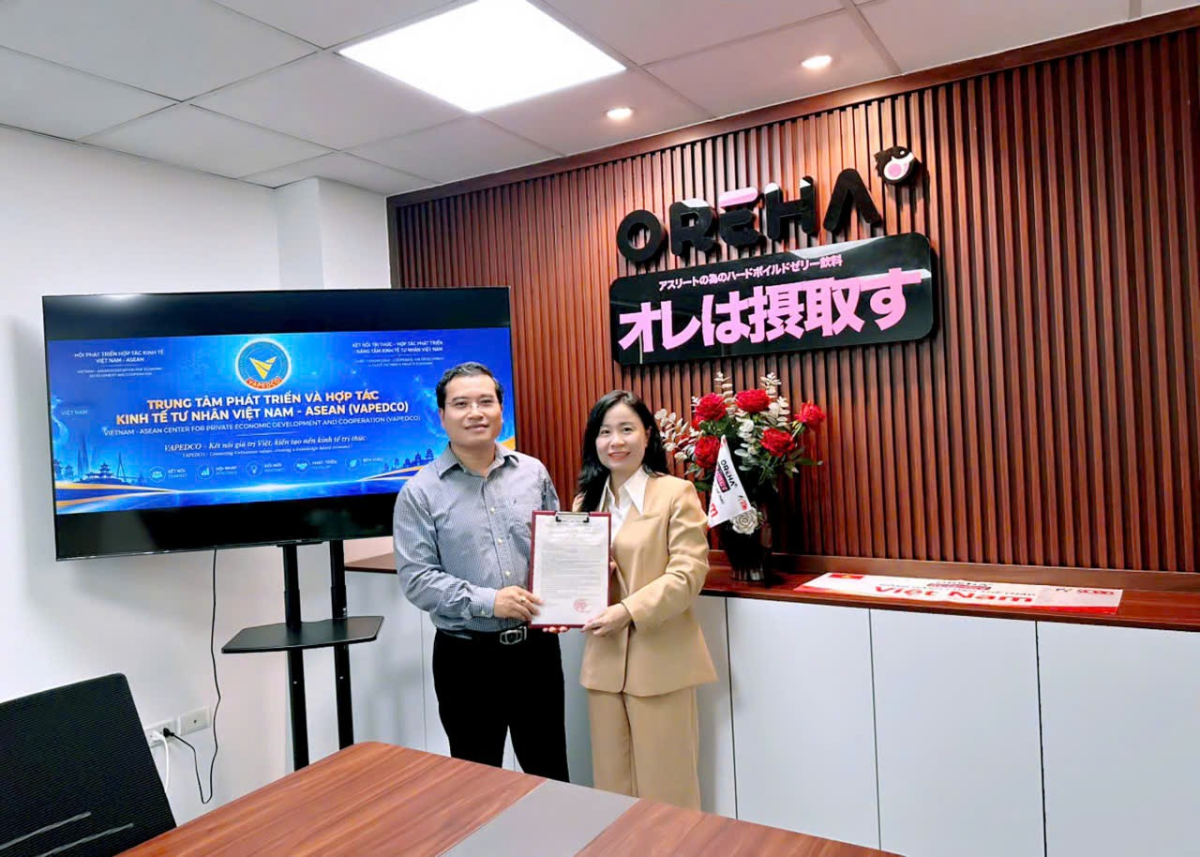
Ms. Ngo Thanh Tinh – Head of the Information and Communications Board of VASEAN, Founder of the VAPEDCO Center – shares her practical perspective on supporting and developing businesses.

The shift to a two-tier local government model (province – commune) streamlines the apparatus, removes intermediate layers and strengthens centralized management. However, the process has also created hesitancy about taking responsibility and some confusion at the grassroots level.
Advantages
- A leaner apparatus: Removing the intermediate layer (the district level) makes direction from the central and provincial levels down to communes and wards more focused and direct.
- Optimized resources: Significant savings in state budget spending on the administrative apparatus, allowing resources to be concentrated on infrastructure development.
- Greater initiative: Grassroots authorities have the chance to play a more proactive role in serving the public and to streamline unnecessary procedures.
Difficulties
- Heavy workload: Commune and ward officials must handle far more paperwork and manage much larger areas than before, which can easily lead to overload.
- Uneven staff capacity: The transition has exposed professional shortcomings and a reluctance to take responsibility among some grassroots officials when dealing with complex issues.
- Management disruption: The early stage of the new model often faces many challenges in synchronizing administrative data systems and maintaining social order and safety.
Impact on businesses
According to Ms. Ngo Thanh Tinh, the two-tier administrative restructuring (province – commune) brings many long-term benefits to businesses thanks to simpler procedures, but also creates some short-term difficulties with legal paperwork.
1. Making the most of long-term advantages
- Shorter procedural chains: Businesses no longer have to go through the intermediate (district) level, reducing the number of stamps and signatures required for approval.
- Faster processing: The time needed to handle investment procedures, construction permits and land allocation is significantly shortened thanks to the direct province – commune/ward model.
- A transparent business environment: Direct management and supervision by the provincial level helps reduce “petty corruption” and harassment at the grassroots level.
- More synchronized infrastructure: Budget savings from a leaner apparatus are reinvested in transport infrastructure and industrial parks.
2. Challenges during the transition
- Updating all documents: Businesses must spend time and money updating their registered address, tax code, invoice information and company seal.
- Information system disruption: National databases on business registration and land may experience congestion or data errors during the initial synchronization.
- Delays in processing applications: Hesitancy and confusion among local officials under the new model may slow down projects awaiting approval or applying for extensions.
A step that benefits business growth
According to Ms. Ngo Thanh Tinh, this is a step that benefits business growth:
- Equal access: Small and medium-sized enterprises (SMEs) can now access provincial-level resources and management mechanisms directly, just like large corporations, no longer confined to district-level administration.
- Policies closer to reality: With the intermediate level removed, provincial leaders can hear the “pulse” of the market and businesses’ difficulties directly, enabling more practical and timely support policies.
- Thorough digitalization: The two-tier model requires online public services to run smoothly, so businesses can complete procedures from their own offices without having to “knock on every door” as before.
Digital transformation is a key step in the development of the whole country, and businesses are not the only ones to benefit. With this step forward, 2027 will be a brilliant year for businesses.
Ms. Ngo Thanh Tinh
Ngo Thanh Tinh