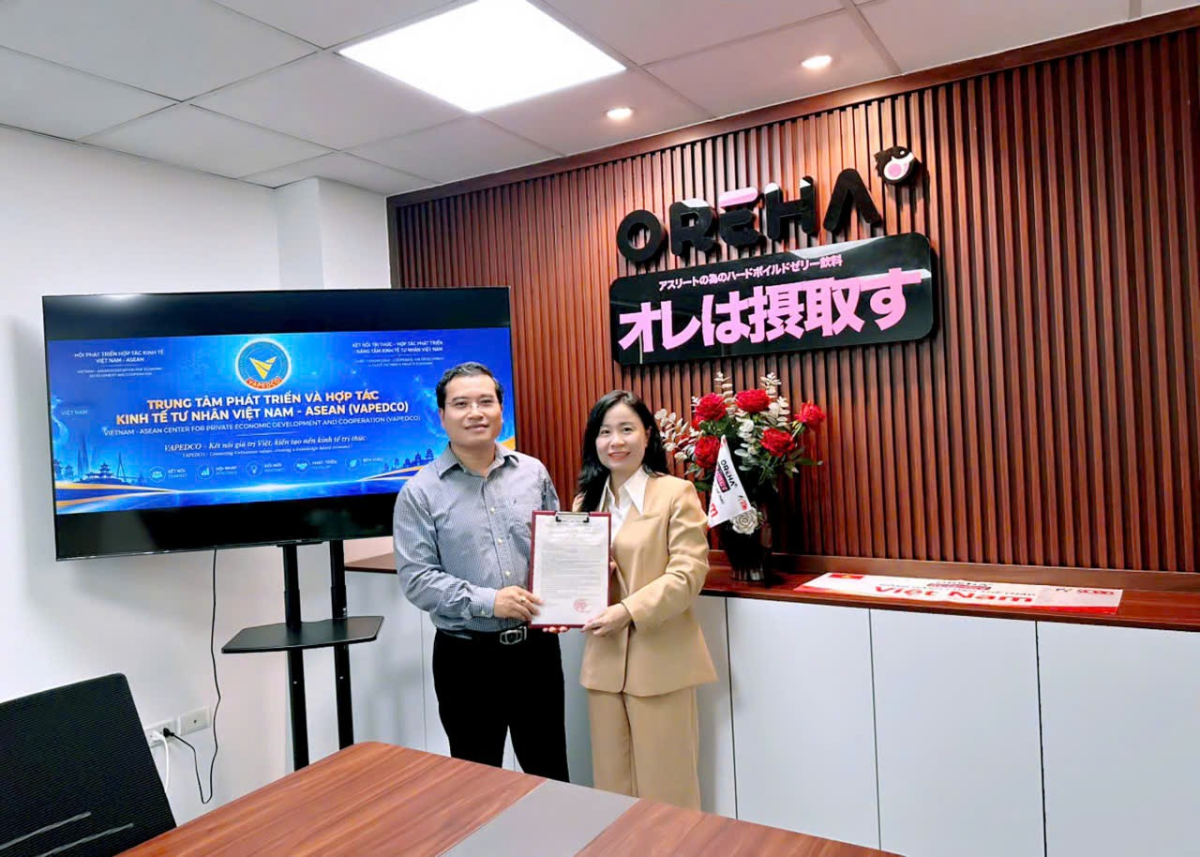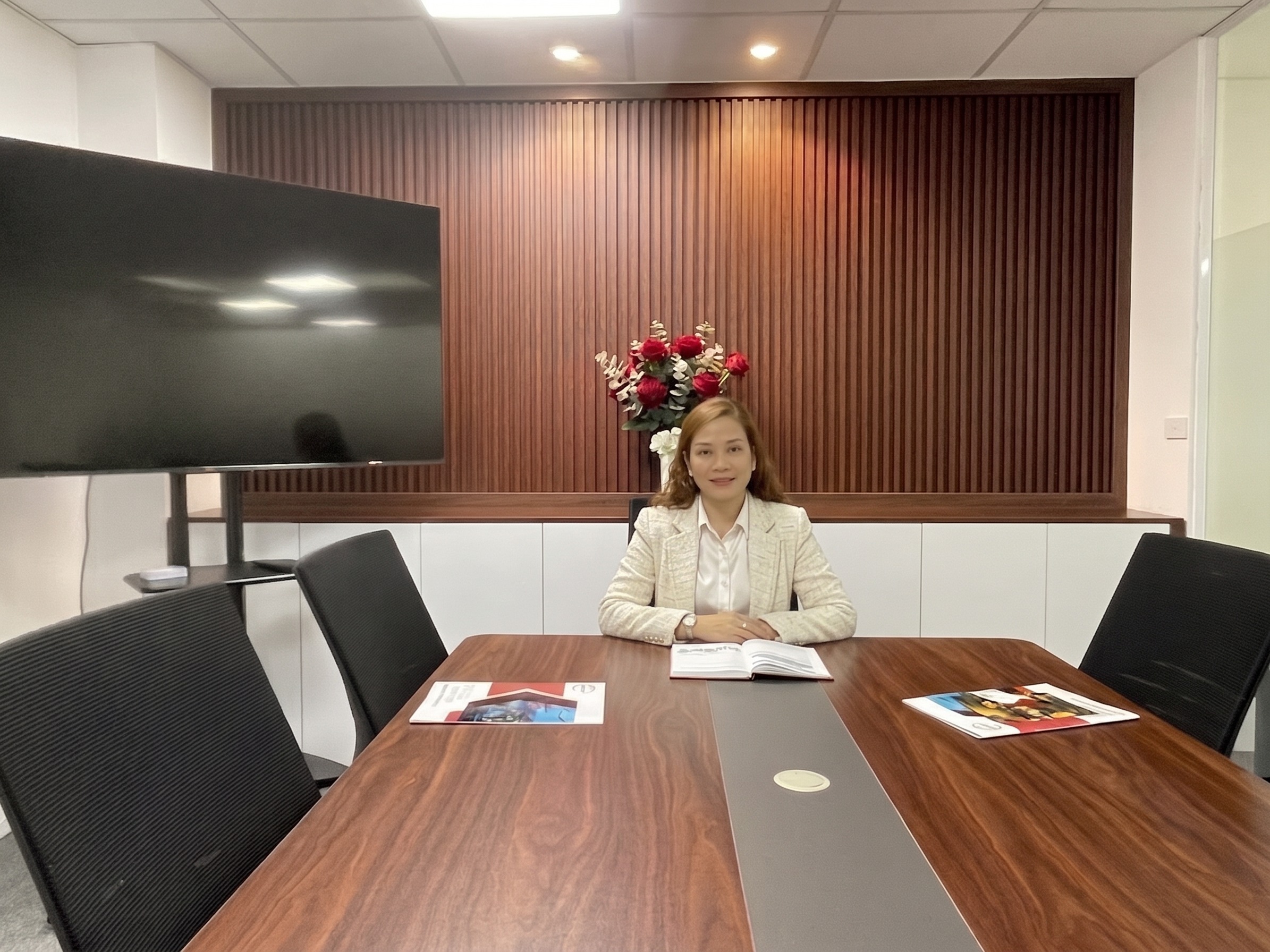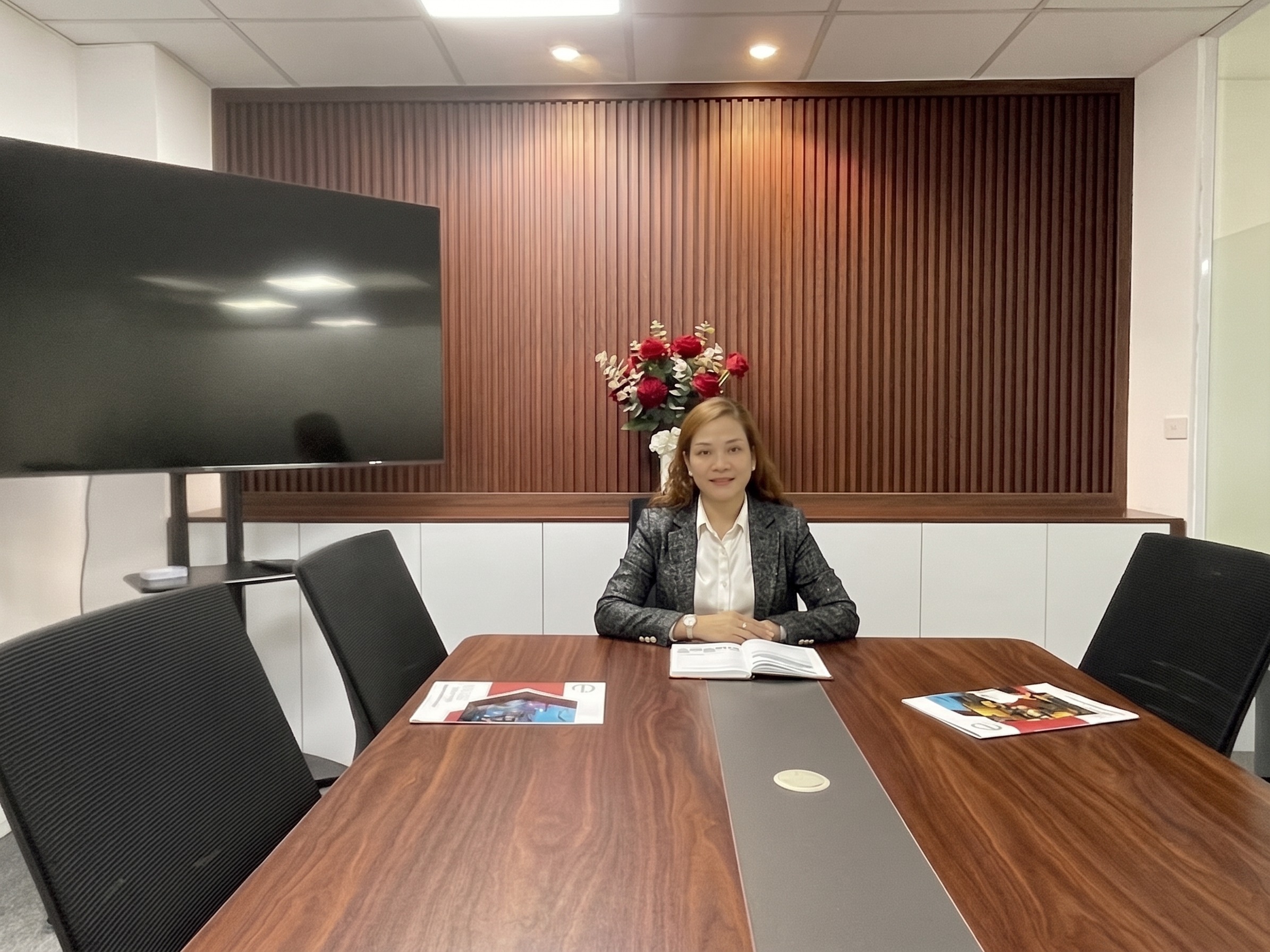
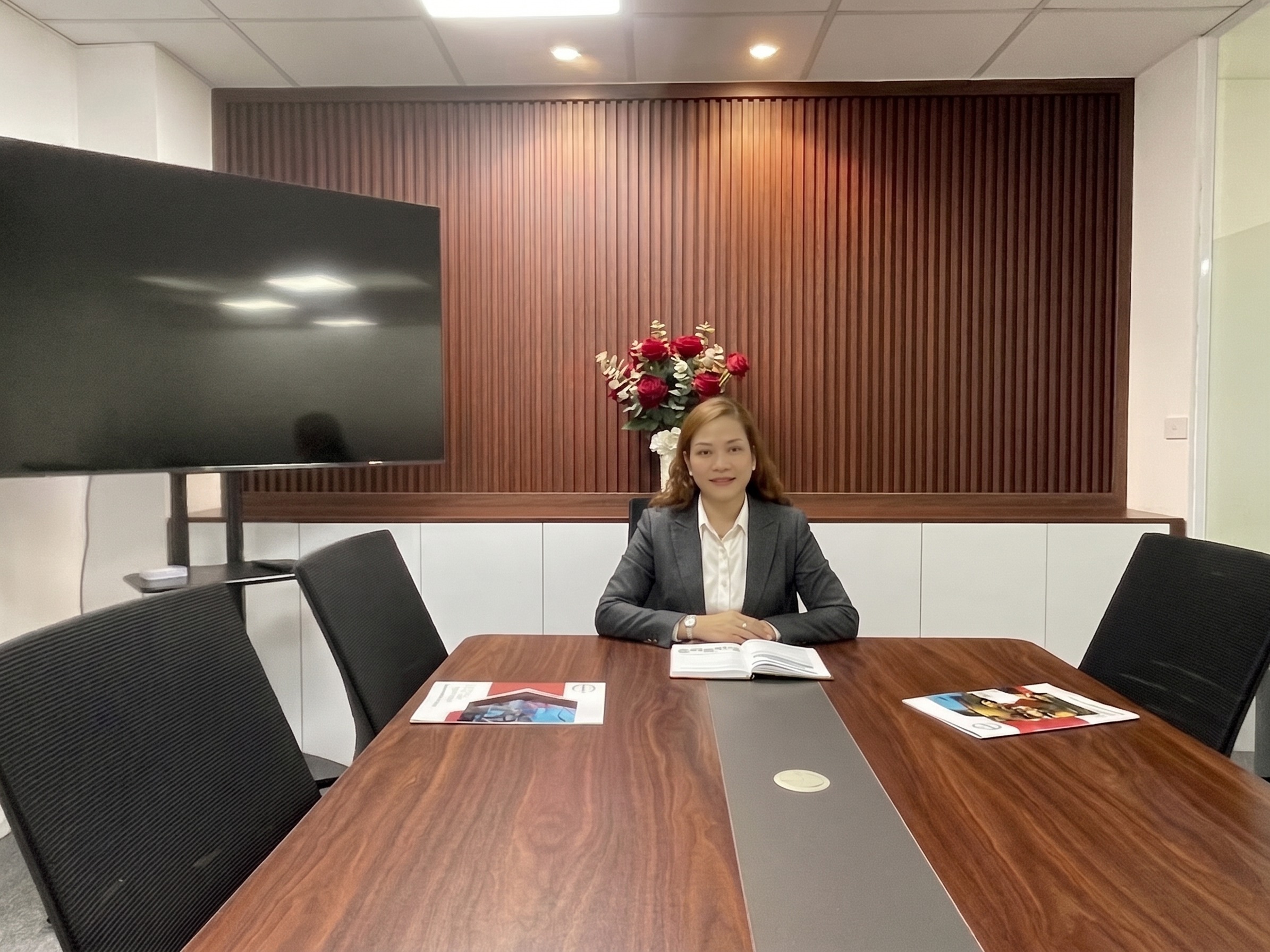
Ms. Ngo Thanh Tinh – Head of the Information and Communications Board of VASEAN, Founder of the VAPEDCO Center – believes that regional transport connectivity is the biggest lever helping Tay Ninh optimize its economic advantages after expanding its administrative scale and population.
Strategic opportunities from the transport network
- Breaking the single-route bottleneck: The Ho Chi Minh City – Moc Bai Expressway connects directly with Ring Road 3 and Ring Road 4 of Ho Chi Minh City, shortening travel time to the country’s largest economic center and to international seaports.
- Expanding the cross-border corridor: The Go Dau – Xa Mat Expressway creates a solid inter-regional logistics trade route, linking Cambodia and other ASEAN countries directly with the Southern key economic region.
- Forming an urban – industrial chain: Development along the new expressways opens up large land banks, an opportunity to develop new-generation industrial clusters and large-scale satellite cities.
- Optimizing logistics costs: Synchronized connections between roads and inland waterways (the Saigon River and Vam Co Dong River) help businesses sharply reduce import and export transport costs.
- A breakthrough for national tourism: Smooth transport makes it easier to connect spiritual and eco-tours from Ho Chi Minh City to the Ba Den Mountain National Tourist Area, while attracting international visitors through the Moc Bai border gate.
FDI attraction in new industrial parks
- Prioritizing green technology and emissions reduction: The province focuses on attracting capital into the green economy. A notable example is a USD 3.1 billion cooperation agreement at Tan Lan 3 Industrial Park with a German partner to develop a Green Steel and Bioenergy Complex, targeting the European market and generating revenue from carbon credits.
- Building deep processing and manufacturing value chains: Instead of basic outsourcing, Tay Ninh is strengthening international cooperation (with partners from the RCEP region and China) in deep processing and supporting industries for automobiles, electronics, tire cord fabric, yarn and CNC.
- Developing logistics infrastructure and digital trade: Calling for FDI to build modern warehouses and logistics centers along the cross-border economic corridor and promoting cross-border e-commerce in border areas.
- Developing high-tech agriculture: The province is attracting major European groups (such as Bel Gà, De Heus and Big Dutchman) to invest in livestock value chains and smart agriculture, building a sustainable export foundation.
- Linking industrial park infrastructure with the urban ecosystem: Planning “mega projects” that integrate urban – industrial chains (such as the Thanh Duc industrial urban chain or Tan Lan 3 Industrial Park) to attract foreign experts while ensuring sustainability and social welfare for workers.
Tay Ninh’s economic breakthrough after the merger
Tay Ninh’s economy has made a strong breakthrough since the merger, becoming a leading growth pole with GRDP growth of 10.12% in the first six months of 2026, ranking 8th among 34 provinces and cities nationwide. The province positions industry as its core driver, while boosting border trade and digital transformation to maintain double-digit growth.
Multi-sector tourism linked with traditional culture
Tay Ninh places special emphasis on developing multi-sector tourism combined with traditional culture. Inviting investors to jointly research and build a multicultural tourism model serves as a bridge in the local economic development strategy.
Tay Ninh is actively inviting strategic investors to research and prepare detailed plans for key tourism projects such as the Ba Den Mountain National Tourist Area, the Ba Den Mountain cultural – festival – spiritual area, Nhim Island – Dau Tieng Lake, and the Boi Loi base area.
The expectation that Tay Ninh will become a Grade I city in the future, with the goal of meeting 75% of Grade I urban criteria under the 2030 – 2035 vision, is an entirely achievable target.
Ms. Ngo Thanh Tinh
Ngo Thanh Tinh